

Introduction: Why Generative Engine Optimization Matters Now
Search engines are evolving faster than ever, and traditional SEO practices are no longer enough to secure visibility. With the rise of AI-powered generative search engines, businesses must adapt to a new optimization frontier: Generative Engine Optimization (GEO).
GEO focuses on how content is discovered, interpreted, and presented by AI-driven platforms like Google’s Search Generative Experience (SGE), ChatGPT, and Microsoft Bing Copilot. Instead of just ranking websites, these tools generate direct answers and summaries—reshaping how users interact with search results.
As we enter this new phase of digital visibility, understanding and preparing for GEO will be the key to sustainable online growth.
Understanding Generative Engine Optimization (GEO)
Definition of GEO
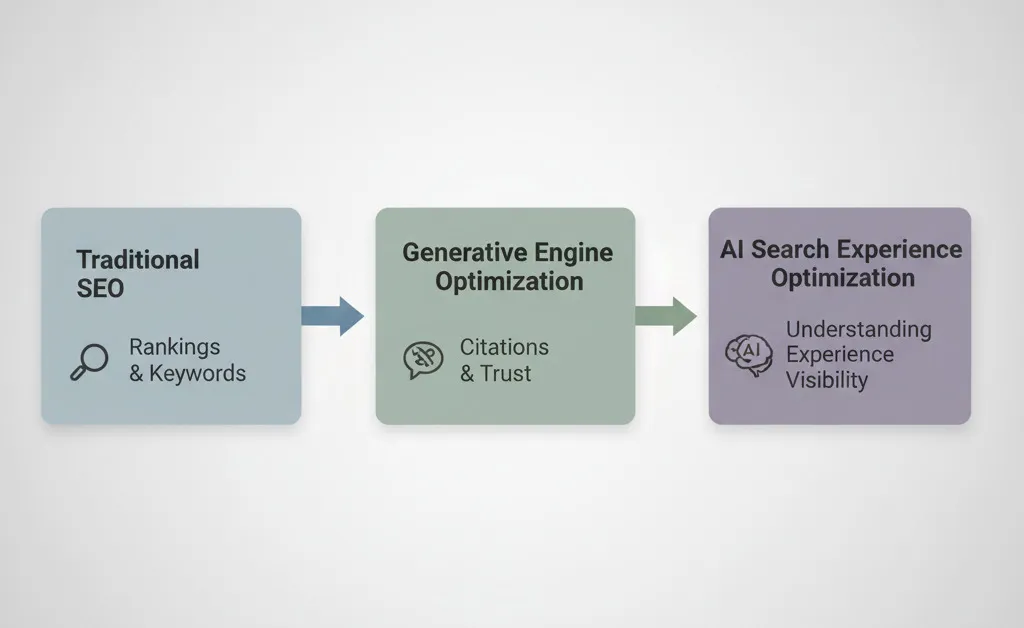
Generative Engine Optimization (GEO) is the process of optimising digital content to be recognised, trusted, and featured by generative AI search engines. Unlike traditional SEO, which aims for clicks, GEO ensures content is selected and cited within AI-generated responses.
How GEO Differs from Traditional SEO
-
SEO focuses on keywords, backlinks, and ranking signals.
-
GEO focuses on context, authority, and trustworthiness to get cited in AI-generated answers.
The Role of AI-Powered Search Engines in GEO
Generative engines don’t just list pages—they synthesise content. This means the optimisation strategy must shift toward feeding AI models with reliable, structured, and authoritative information.
Evolution of Search: From Keywords to Generative AI
The Rise of AI Search Assistants (ChatGPT, Bard, Bing Copilot)
AI tools like ChatGPT, Google Bard, and Bing Copilot have redefined how people search. Instead of browsing links, users now rely on AI-powered summaries for instant answers.
Zero-Click Searches and AI Summaries
The majority of future searches will be zero-click, where users never leave the search results page. GEO prepares businesses for this reality by ensuring their content is part of these summaries.
User Intent in Generative Search
AI search engines prioritize intent over keywords. GEO means creating content that directly addresses questions, pain points, and solutions in a conversational format.
Key Principles of Generative Engine Optimisation

Content Depth and Authority
AI-driven engines prioritise depth and authority over surface-level information. Content that demonstrates expertise, backed by reliable sources, is more likely to be cited in AI-generated summaries. This is where E-E-A-T (Experience, Expertise, Authority, Trustworthiness) becomes indispensable.
Structured Data and Knowledge Graph Integration
AI systems rely heavily on structured data to understand content. Implementing schema markup and aligning with knowledge graphs ensures that search engines interpret your content accurately and highlight it in AI summaries.
Conversational Search Optimization
GEO requires optimization for natural language queries. Instead of just targeting short keywords, content should answer full questions like:
-
“What are the benefits of GEO for small businesses?”
-
“How will AI change the future of SEO?”
Trust, Transparency, and EEAT
In generative search, AI models favor trusted sources. Brands must showcase credibility by using author bios, case studies, citations, and transparency in content.
How GEO Impacts Content Creation
Importance of Context-Rich Content
Generative search thrives on contextual answers, not just keyword stuffing. Brands must create comprehensive, in-depth, and problem-solving content to remain visible in AI-driven responses. Explore the best free keyword research tools here.
Optimizing for AI Summaries Instead of Just Rankings
Instead of aiming only for page-one rankings, GEO focuses on being referenced in AI-generated responses. This means, structuring content with FAQs, bullet points, and concise explanations,
Using Long-Form and Evergreen Content for GEO
Evergreen, authoritative guides (like this article!) have a higher chance of being cited by generative engines, as they serve as trusted, comprehensive resources.
Technical Aspects of GEO
Schema Markup for AI Understanding
Rich snippets, FAQ schema, and product schema make it easier for generative engines to identify your content. The more structured your data, the greater your chances of visibility.
Site Speed, UX, and Accessibility in Generative Searches
Generative engines evaluate not just content but site performance. A slow, poorly designed site risks being excluded from AI-generated references.
Semantic Search and NLP Optimization
Optimizing for semantic meaning and natural language processing (NLP) ensures AI can interpret your content correctly. This means answering questions directly and providing contextual depth.
GEO and the Future of Backlinks
Are Backlinks Still Relevant in Generative Search?
While backlinks may decline in direct importance, they remain a signal of authority. AI still considers references across the web to validate trustworthy sources.
Authority Building Beyond Links
In GEO, brand mentions, citations, and contextual relevance become as critical as backlinks. Getting cited in reputable publications will carry more weight than raw link quantity.
Benefits of Adopting GEO Early
Competitive Advantage in AI-Driven Search
Brands that adopt GEO now will dominate early AI search visibility, while late adopters struggle to adapt.
Higher Brand Visibility in Generative Results
Being referenced in AI summaries builds brand recognition and credibility. Users start associating your brand with expert answers.
Improved Audience Engagement
When content directly solves user problems, it fosters trust and repeat visits, creating loyal audiences.
Challenges and Risks of GEO
Over-Reliance on AI Summaries
Businesses risk losing direct traffic if users get all answers from AI. GEO strategies must balance AI visibility with owned platform engagement.
Data Privacy and Ethical Concerns
AI depends on vast datasets, raising concerns about data privacy, bias, and misinformation. Brands must stay ethical and transparent.
Measuring GEO Performance
Unlike traditional SEO, GEO lacks standardized KPIs. Businesses will need new tools to track AI-generated mentions, citations, and traffic impact.
Case Studies: Early GEO Adoption in Action
News Media and AI Search Adaptation
Major outlets like The New York Times are already restructuring content for AI summarization. They prioritize fact-based, authoritative coverage for GEO.
E-Commerce and Conversational Product Search
E-commerce platforms now optimize for conversational search queries like “What’s the best budget laptop for students?” to get referenced by AI shopping engines.
Thought Leadership in AI SEO
Agencies specializing in GEO are building thought-leadership blogs that AI frequently references, creating an authority loop.
Preparing Your Business for GEO
Content Strategy Shifts
Brands must shift from keyword density to semantic depth—creating content that AI trusts as a reliable reference.
SEO Tool Adjustments for GEO
Emerging GEO tools (e.g., Surfer AI, Clearscope AI) help businesses analyze how AI interprets their content and optimize accordingly.
Building Human + AI Collaboration in SEO Teams
SEO teams should embrace AI tools while retaining human creativity and editorial oversight to ensure balance.
Future Trends in Generative Engine Optimization
Predictive SEO with AI
AI will soon predict emerging search trends before they peak, helping brands get ahead of competitors.
Voice-First Generative Search
With Alexa, Siri, and Google Assistant, GEO will focus on voice search optimization more than ever.
The Convergence of GEO and Personalized Marketing
AI search engines will merge with personalization, offering customized answers per user, reshaping how businesses deliver content.
FAQs on GEO
Q1: What is Generative Engine Optimization (GEO)?
GEO is optimizing digital content so that AI-powered search engines feature and cite it in their generated summaries.
Q2: How is GEO different from SEO?
SEO focuses on rankings, while GEO emphasizes being referenced in AI-generated answers.
Q3: Do keywords still matter in GEO?
Yes, but GEO emphasizes semantic relevance and conversational phrasing over keyword stuffing.
Q4: How can small businesses benefit from GEO?
By publishing authoritative niche content, small businesses can appear in AI summaries alongside larger competitors.
Q5: What tools help with GEO?
Tools like Surfer SEO, Clearscope, and Jasper AI are evolving to assist with GEO readiness.
Q6: What’s the future of GEO?
Expect predictive AI search, voice-first queries, and hyper-personalized generative results.
Conclusion: Embracing GEO as the Next SEO Evolution
Generative Engine Optimization is not a buzzword—it’s the next frontier in digital visibility. As AI-driven search engines become the norm, businesses that adapt early will lead the charge in brand authority, trust, and visibility.
GEO requires a mindset shift: moving from rankings to references, from keywords to context, and from clicks to conversations.
The future of SEO is here, and it’s generative.
🔗 Learn more about AI-driven search trends at Search Engine Journal



1 Comment
I don’t think the title of your article matches the content lol. Just kidding, mainly because I had some doubts after reading the article.